Learn Winning Defensive Systems in Bridge Games
22 July 2026 | 339
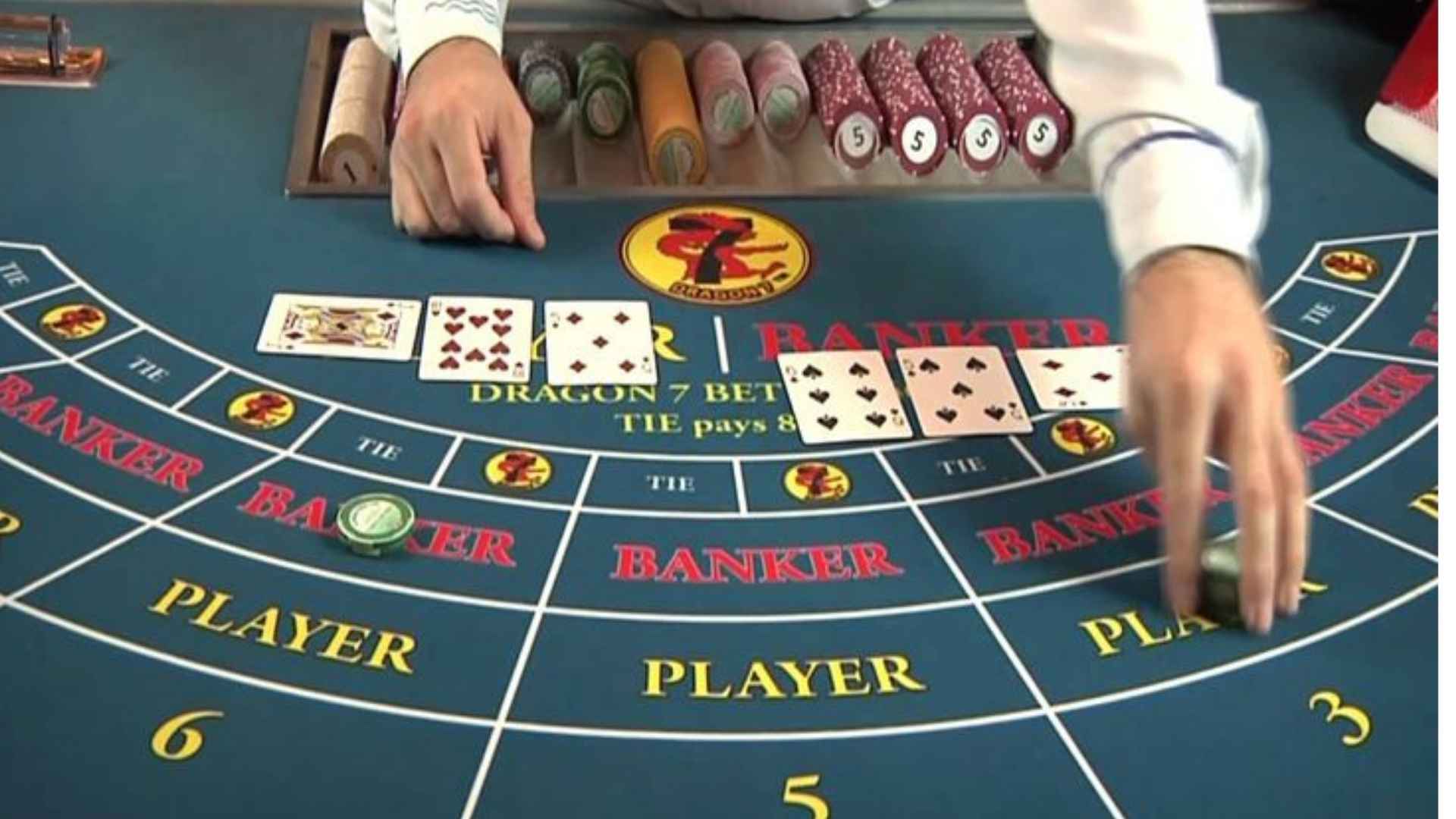
Mastering defensive play in contract bridge is often what separates intermediate players from true tournament experts. Since partnerships spend roughly half of their active table time on the defending side, establishing a structured framework is critical for defeating optimal contracts. By refining your opening leads and coordinating card signals, you can systematically dismantle the declarer's strategy.
The Critical Role of the Opening Lead
The very first card played sets the tone for the entire defensive campaign before the dummy is even revealed. Choosing the correct suit requires a careful analysis of the bidding history to avoid gifting the declarer an easy trick. Passive leads work well in fixed contracts, while aggressive choices help defeat rapidly moving bidding sequences.
Many players struggle because they treat the opening lead as a guessing game rather than a logical deduction. Developing a consistent approach helps your partner understand your hand distribution from the opening trick. Making calculated decisions during this initial phase minimizes defensive vulnerabilities right from the start.
Standardizing Partnership Signaling Systems
Defenders must communicate completely within the rules by utilizing standardized card signals to pass information. Attitude signals indicate whether you want a suit continued, while count signals reveal the exact number of cards held. Mastering these subtle methods transforms two separate minds into a single, cohesive defensive unit at the table.
When executing complex maneuvers, tracking these signals allows you to anticipate the declarer's remaining honors accurately. Enthusiasts looking to sharpen their strategic tracking skills often follow competitive events on the popular Msports platform to study advanced tactical decisions. Applying these established principles prevents costly miscommunications during critical trick transitions.
Managing Entries and Forcing Declares
An effective defensive strategy relies heavily on attacking the declarer's communication lines between their hand and the dummy. By forcing the declarer to use their trumps prematurely for ruffing, you can effectively neutralize their long suits. Controlling the tempo of active play ensures your partnership retains critical entries for the endgame.
Patience remains a foundational virtue when waiting for the optimal moment to shift suits or play a high honor. Rushing an entry extraction can inadvertently set up extra winning tricks for the opposing side. Maintaining positional discipline forces opponents into making difficult, high-pressure choices.
Analyzing Incomplete Information Safely
As the cards fall onto the table, defenders must constantly recalculate the hidden distributions of the remaining unseen hands. Combining the visible cards in the dummy with your partner's signals builds a clear mathematical layout of the deal. This analytical approach helps you identify the declarer's specific vulnerabilities before they can secure their target.
Successful defense requires balancing calculated risks against safe, passive options depending on the tournament scoring format. Consistent practice across diverse layouts eventually turns these complex calculations into reliable, instinctive table habits. Dedicating time to learning these winning defensive systems ensures long-term competitive success.