Board Games That Inspire Smart Gameplay
13 July 2026 | 303
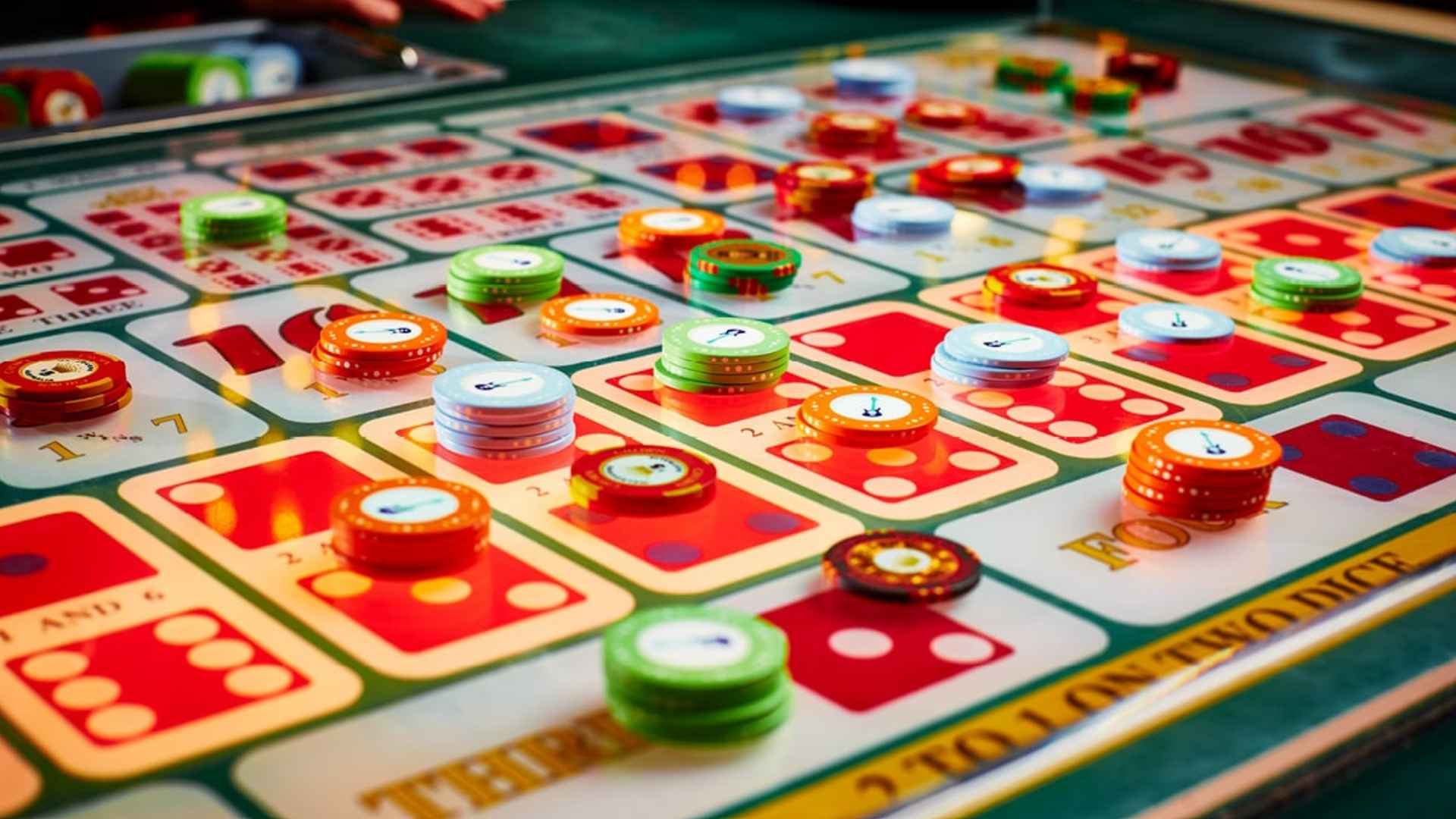
The modern landscape of tabletop entertainment has evolved dramatically, shifting away from luck-based mechanics toward experiences that demand deep tactical analysis. Players today actively seek out challenges that test their cognitive limits, spatial reasoning, and long-term planning skills. Engaging with these sophisticated designs transforms an ordinary social gathering into a compelling mental workout.
The Core Mechanics of Strategic Decision Making
Modern tabletop designs often minimize the impact of random dice rolls to emphasize pure player agency and calculated choices. By focusing on resource management and drafting systems, these games ensure that every single move carries significant weight. This shift rewards participants who can accurately predict their opponents' tendencies while maintaining their own long-term objectives.
Furthermore, complex victory conditions force players to remain highly adaptable throughout the entire session. A single fixed strategy rarely guarantees success when competing against dynamic opponents who constantly alter the state of the board. Developing this level of mental agility is exactly what makes modern gaming so deeply satisfying.
How Spatial Reasoning Sharpens the Mind
Many contemporary titles utilize tile-placement and area-control mechanics to challenge a player's visual and spatial awareness. Navigating these geometric puzzles requires individuals to visualize multiple moves ahead to maximize their efficiency. Over time, these exercises can noticeably improve general problem-solving capabilities outside of the gaming environment.
For individuals looking to explore structured digital options, finding the right platform like the Link M88 Mansion can offer an interesting parallel in terms of strategic engagement. However, the physical manipulation of analog components provides a unique tactile feedback that keeps the mind deeply anchored in the puzzle. Balancing these spatial layouts creates a highly immersive experience for everyone involved.
The Dynamic Balance of Risk and Reward
Calculated risk-taking is a fundamental element that separates basic pastimes from truly intellectually stimulating gameplay. Masterfully designed systems often present players with tempting short-term gains that could potentially jeopardize their overall position. Learning when to push your luck and when to play defensively is a crucial skill for achieving consistent victories.
This delicate balance encourages healthy psychological competition as players try to outmaneuver each other's hidden motives. Analyzing the risk profiles of your rivals allows you to create effective counterstrategies before their plans come to fruition. Ultimately, navigating these high-stakes scenarios builds resilience and sharpens analytical thinking.
Building a Curation for Intellectual Growth
Selecting the right titles for a personal library involves looking for games that offer high replay value through variable setups. Modular boards and asymmetric player powers ensure that no two sessions ever unfold in the exact same manner. This variety keeps the intellectual challenge fresh, preventing the gameplay from becoming predictable or stale.
Investing in well-crafted editions with clear iconography also significantly enhances the overall cognitive experience. When the rules and components are intuitive, players can devote their full mental energy entirely to high-level strategy. A thoughtful collection of these masterpieces guarantees endless opportunities for meaningful social interaction and mental development.